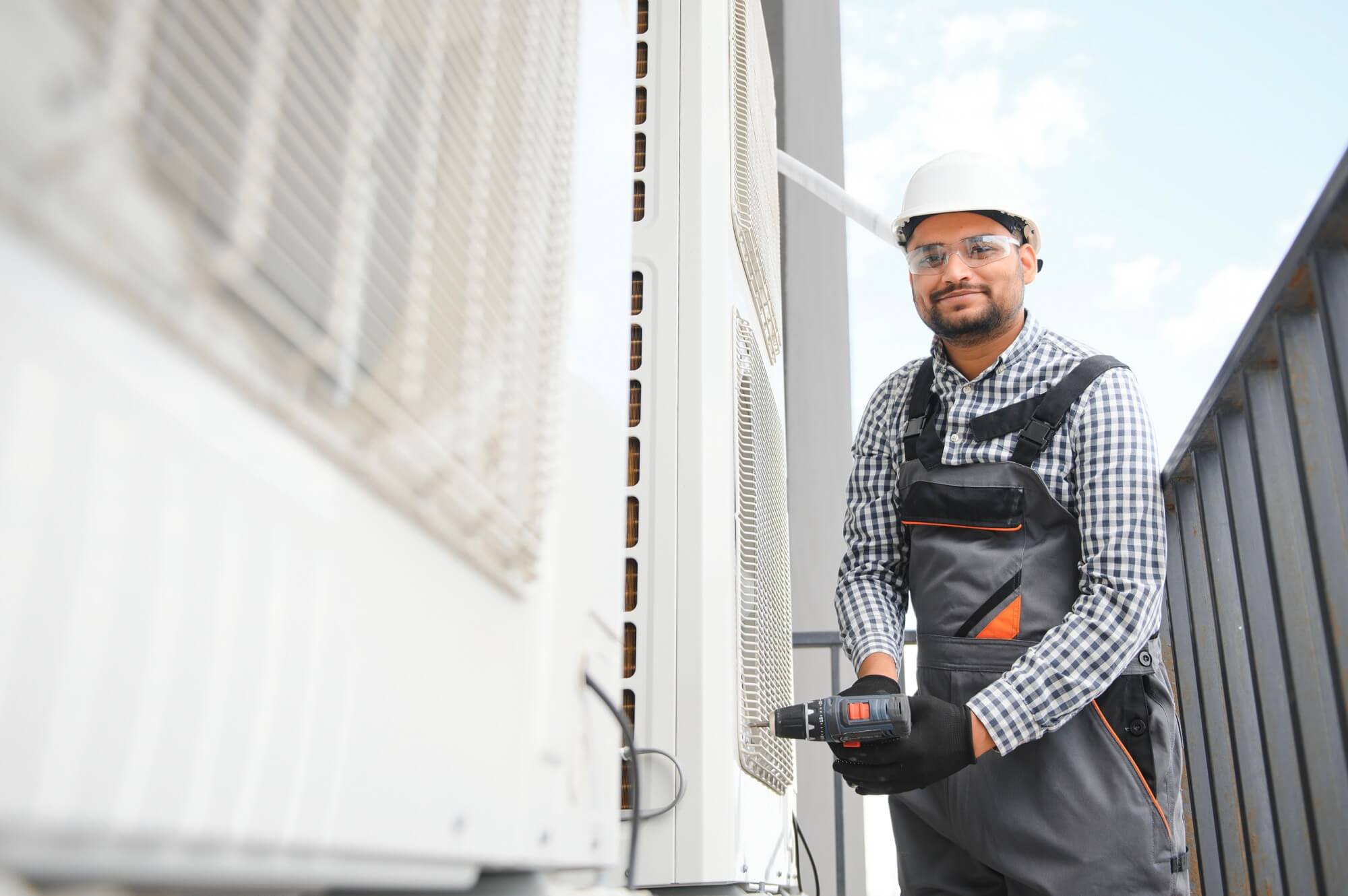
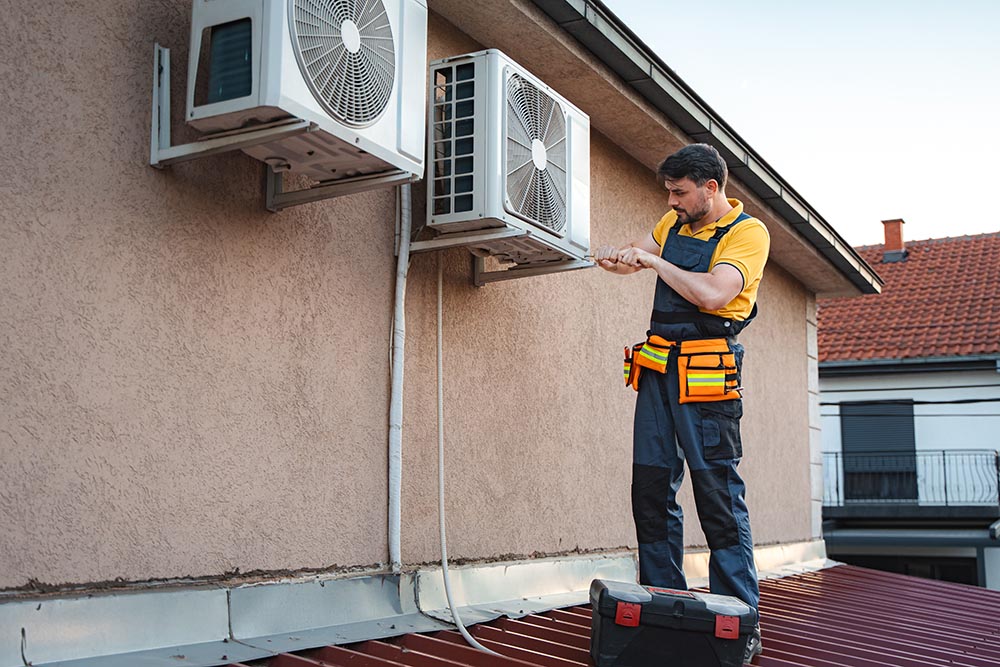
A reverse cycle air conditioner works harder than a cooling-only system, running throughout summer for cooling and again throughout winter for heating. That extra workload means regular servicing matters even more — a system that isn't maintained properly won't just lose cooling performance in summer, it'll cost you more to heat your home in winter too.
At AC Installation Perth, we service, maintain, and repair reverse cycle air conditioning systems across Perth, across split, multi-split, ducted, floor console, and wall mounted formats.
Because a reverse cycle system is relied on for both heating and cooling, it typically sees more total running hours across the year than a cooling-only unit. This has a couple of practical implications for servicing:
Components like filters, coils, and fan motors accumulate dust and wear from both summer and winter use, rather than just a few months of the year.
A system with a developing issue in heating mode might still cool perfectly well in summer, meaning the problem doesn't show up until the following winter — often at the least convenient time. Servicing that tests both modes catches these issues before they become a mid-season breakdown.
The reversing valve, which allows the system to switch between heating and cooling, is a component unique to reverse cycle systems and one that a cooling-only system doesn't have. It's worth having this specifically checked as part of a proper reverse cycle service.
Regular servicing keeps the system performing consistently whether it's running as an air conditioner in summer or a heater in winter.
A dirty filter or coil doesn't just affect cooling in summer — it affects heating efficiency in winter too, so neglected systems tend to cost more to run year-round, not just in one season.
Catching a developing fault during a scheduled service, rather than discovering it when you switch the system to heating for the first time each winter, avoids being caught without heating on a cold morning.
With more total running hours than a cooling-only unit, a reverse cycle system benefits even more from regular maintenance to protect the compressor and other core components.
A standard reverse cycle service typically includes:
We recommend servicing most reverse cycle systems at least once a year, and ideally scheduling it before the season you rely on the system most heavily — ahead of summer if cooling is the priority, or before winter if heating performance matters more to you.
Because reverse cycle systems have components not found in cooling-only units, diagnosing issues sometimes requires understanding whether a fault is affecting one mode or both. Common issues we diagnose and repair include:
This is one of the more distinctive reverse cycle faults, and often points directly to an issue with the reversing valve rather than the compressor or refrigerant charge generally.
Usually points to a more general issue — low refrigerant, a dirty filter or coil, or a failing compressor — rather than something specific to the reverse cycle function.
Can indicate a stuck or failing reversing valve, or in some cases a control board fault.
A distinct clunk or hiss when the system switches from cooling to heating (or back) can be normal, but a persistent or unusually loud noise during mode changes is worth having checked.
Typically a blocked or disconnected condensate drain line, consistent with the issue seen in cooling-only systems.
Reverse cycle systems run periodic defrost cycles on the outdoor unit during winter heating; faults relating to this process will often display specific error codes that point to the cause.
As with other air conditioning types, the age and condition of the system matter in this decision. A younger system with an isolated fault — a reversing valve issue, blocked drain, or refrigerant leak — is usually well worth repairing.
An older system (typically past 10-12 years) with a major fault like a failed compressor is often less economical to repair than replace, particularly given how much more efficient newer reverse cycle systems tend to be in both heating and cooling modes. We’ll give you an honest comparison based on your specific system.
We service, maintain, and repair reverse cycle air conditioning systems for homes and businesses across the greater Perth metro area, including the northern suburbs, southern suburbs, eastern corridor, and inner-city precincts, regardless of who installed the system originally.
At least once a year, given that these systems typically see more total running hours than cooling-only units across both summer and winter.
This is a common and fairly distinctive reverse cycle fault, often caused by an issue with the reversing valve — the component responsible for switching the system between cooling and heating modes.
Ideally, servicing should happen before whichever season you rely on the system most, though annual servicing that checks both modes is the more thorough approach if you use the system heavily year-round.
A brief clunk or hiss during mode switching can be normal. A persistent, loud, or worsening noise during this transition is worth having checked by a technician.
Yes, we service and repair reverse cycle systems regardless of the original installer, provided we can access relevant details about the unit.
This points fairly specifically to a fault with the reversing valve or an associated control component, rather than a general refrigerant or compressor issue, since a compressor or refrigerant fault would typically affect both modes.
Most residential services take a couple of hours, though testing both heating and cooling modes thoroughly adds some time compared to servicing a cooling-only system.
Whether your reverse cycle system needs a routine service covering both heating and cooling, or you’ve noticed an issue in one mode specifically, our technicians know what to check and where to look. Get in touch to book a service or repair anywhere across Perth.
Contact AC Installation Perth today to book a reverse cycle service, maintenance visit, or repair.